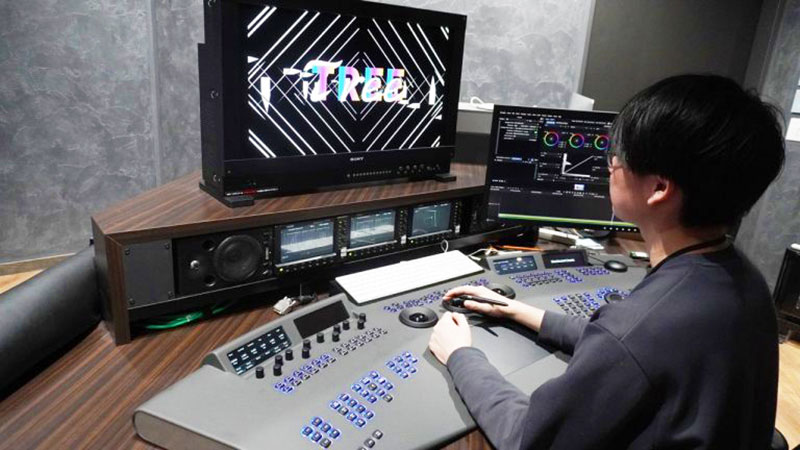

Anónima Post uses a Cintel Film scanner and DaVinci Resolve Studio to design and manage the complex workflows their team uses to restore films more than 50 years old.
The team at Anónima Post in Mexico City has been restoring classic Mexican films dating back to the 1940s. Founded in 2016 by Director and Colourist Edgar Flores, Anónima Post carries out post production and restoration services for films and commercial projects.
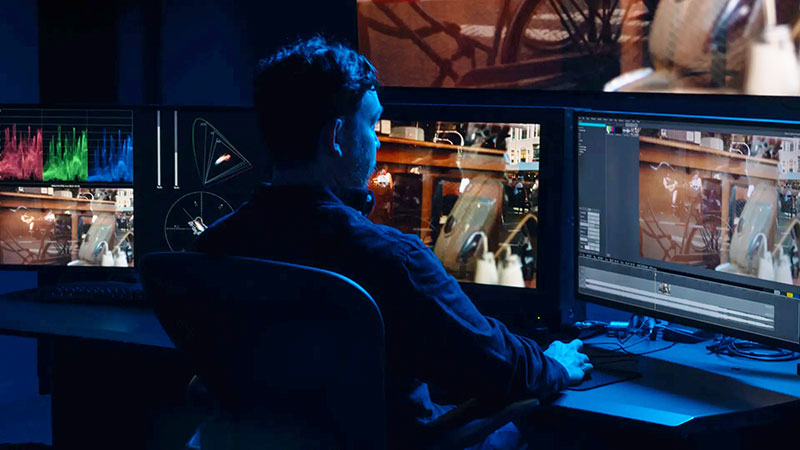
The team, consisting of Edgar, a master restoration artist and an online editor, works on colour restoration for numerous Mexican films, as well as film restoration itself. For Edgar, using DaVinci Resolve Studio, along with a DaVinci Resolve Micro Color Panel, is second nature. He has had extensive experience with DaVinci software over the years, bringing a wealth of knowledge to the studio and the projects it undertakes.
Two Originals
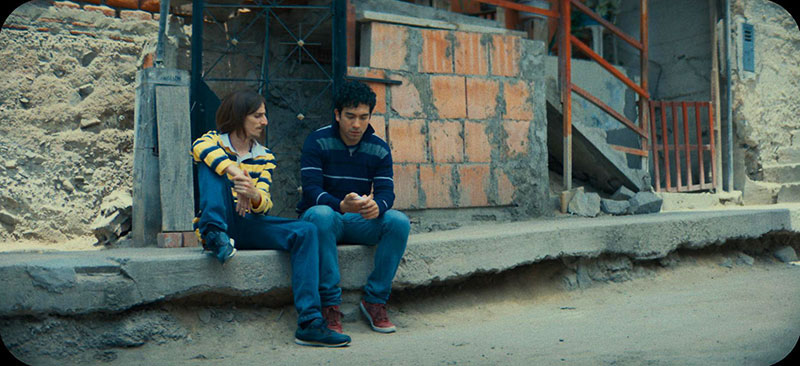
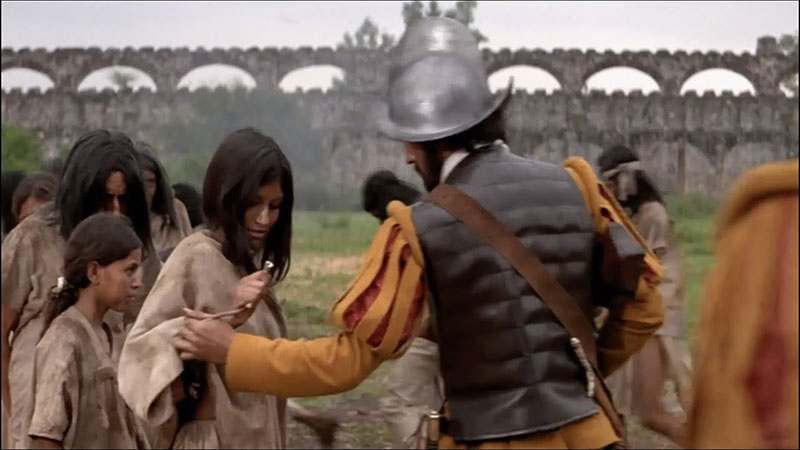
Anónima Post’s most recent work includes the 1978 Mexican film Nuevo Mundo, directed by Gabriel Retes. In this case the Cintel Scanner and DaVinci Resolve Studio were used to reconstruct the original edit and perform the colour grading restoration.
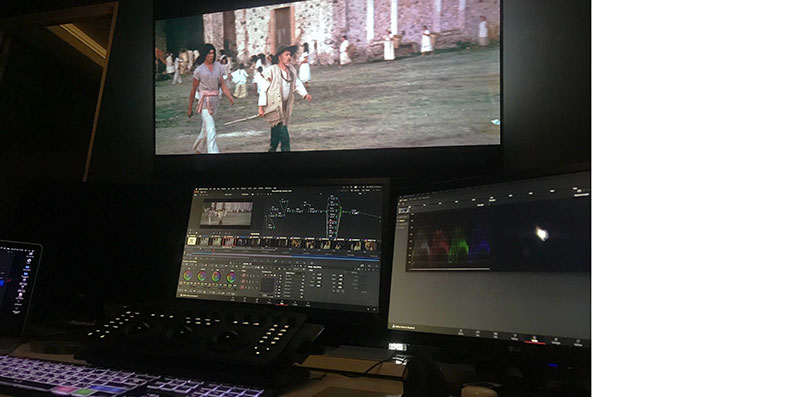
Edgar said, “This project was very unusual because the film was restored from the original 35mm camera negative, shot with anamorphic lenses in 1976. During research, we had the opportunity to view a projection of the film derived from a period era composite print, and we discovered that the version on the original camera negative did not match the edit of the composite print we were watching.
“We realised that the director had created a separate, more commercial version. When we completed the restoration of the commercial version, we set out to recover the director’s original cut as the next phase.”
To accomplish this, Anónima Post relied on three period positive prints, since the original negative for the missing footage could not be found. Edgar said, “Each reel of the positive prints was transferred using the Cintel Scanner, treating them as if they were our original rushes – each reel captured metadata generated by Cintel, including timecode, reel and print number, and footage count.”

The film’s original edit was then reconstructed by integrating footage from the period era positive prints into the previously restored theatrical version, resulting in a combination of the restored original camera negative and the recovered print material. Anónima Post then generated an EDL they used to rescan the recovered footage at 6K resolution, to make sure it could be incorporated invisibly into the restored version.
Real-time Transfer
Edgar commented that the project has had its challenges, “The objective was to match the colour grading of the original camera negative as closely as possible to the specific colour degradation characteristics of the period positive prints which, because they were prints made for projection, exhibited varying degrees of physical deterioration.
“It was a considerable advantage that Cintel performed the transfer in real time, simultaneously capturing the audio from the positive print which allowed for an assessment of the physical damage to each reel across the three positive copies. With this data, it was possible to refine the workflow design for the digital restoration process which was going to involve image, colour and sound."

Corrected, restored positive print
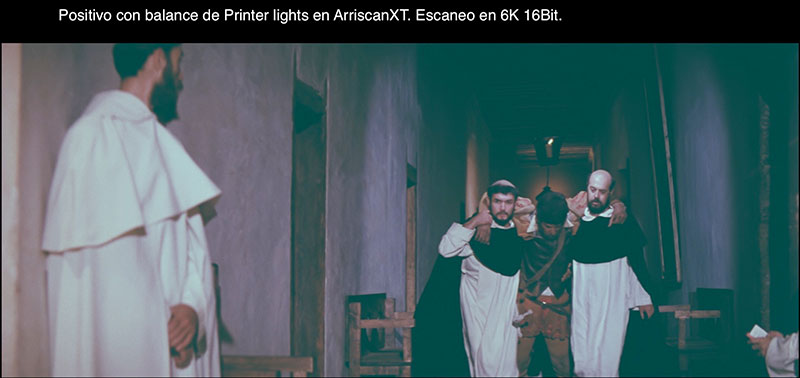
Following a colour balance using printer lights
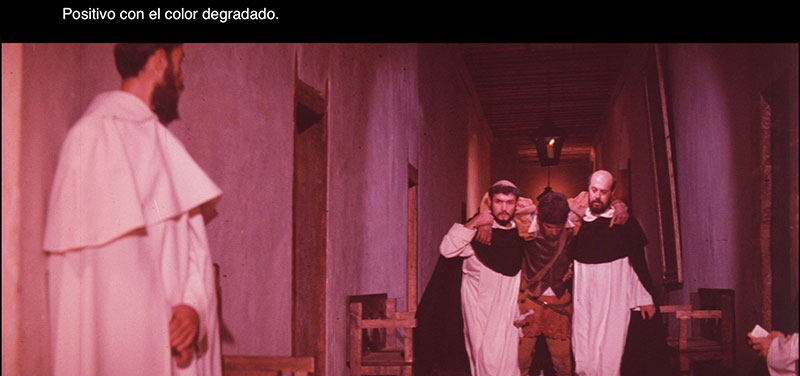
Positive print showing degraded colour
During the transfer of each reel, it was possible to perform a colour balance using Cintel’s printer lights to better visualize the colour of the prints, which had already become severely degraded due to years of poor handling and a lack of cleaning. Printer lights were a technique used in photochemical colour timing processes before the shift to digital colour grading. Filtered light - red, green, blue - was shone through the film to change the balance of colour in the shot.
This step was also crucial for generating the metadata corresponding to each reel, leading to the subsequent creation of an EDL that precisely identified every individual frame to be scanned in high resolution.
Colour Interpretation and Recovery
Using DaVinci Resolve Studio, Anónima Post tested and designed various colour workflows in order to ensure optimal colour interpretation and recovery of the source material. For consistency, they work within modern colour spaces, because every project responds differently due to the effects of time. “We need to design complex, wide ranging colour workflows to ensure that we can always work within the full latitude afforded by the scanned material,” Edgar said.
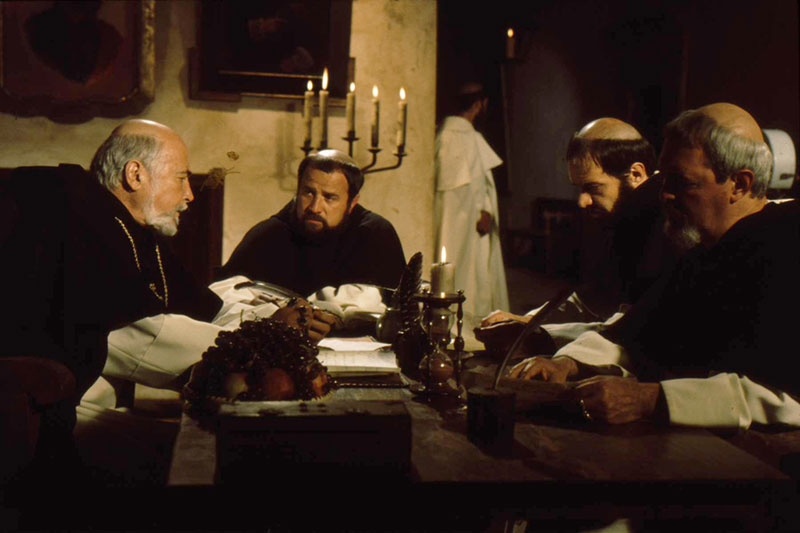
“Using DaVinci Resolve, we can integrate specialised tools for capturing information regarding colour, texture and final finish. We have established and proven workflows that we adapt according to the specific requirements of each project. It is a great advantage to work with high resolution files in real time and for colour operations to integrate seamlessly with the restoration of degraded colour which, in some cases, is severely damaged.
“We are very proud of the projects we’ve worked on so far, especially ‘Nuevo Mundo.’ The film is expected to be available in film archives and at film festivals, bringing more life to it now than it did back in the ‘70s,” said Edgar. www.blackmagicdesign.com