

Dreamtek captured the Vercel Next.JS conference using a full Blackmagic Design live production workflow and sent footage via the cloud to remote Dreamtek teams for a fast post turnaround.
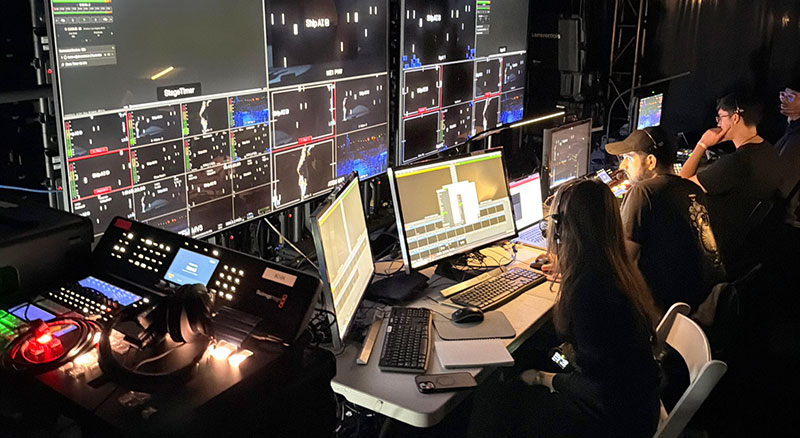
Dreamtek video technology and production company in California handles a complete portfolio of production and post services, including virtual events, video production, studio builds and studio rentals. In October 2025, Dreamtek was tasked with live production and creating a variety of videos and social media for Vercel’s Next.JS conference.
Vercel cloud application company builds agentic infrastructure for apps and agents ranging from CDNs to security to the Next.js open-source web development framework for React JavaScript web applications. Where traditional React apps can only render their content in the client-side browser, Next.js extends this functionality to include applications rendered on the server-side.
Held in California, Vercel Next.JS was a two day event that included keynotes, product launches and breakout sessions aimed at bringing together developers and AI innovators from around the world. Over the two days, Dreamtek delivered more than 50 high quality videos created from the dozens of sessions and B-roll.
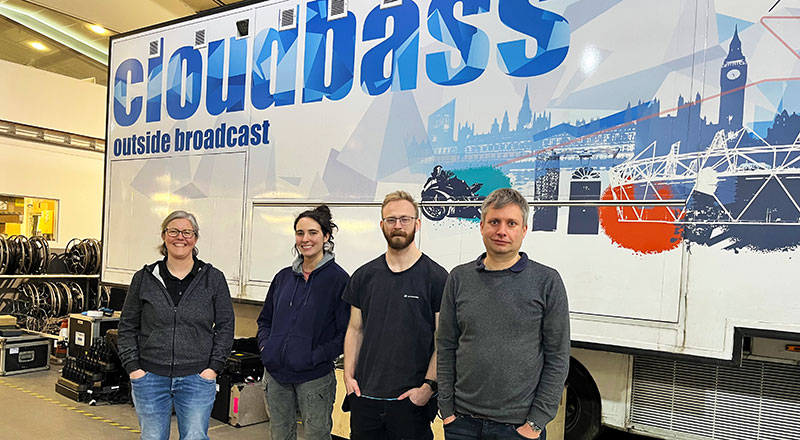
The production was led by Jeff Eggleston, Dreamtek Director of Studio Productions, Dave O’Halloran, program manager for technical production and Alessandro Altman, senior engineer.
Top to Bottom Blackmagic
For the project, Dreamtek used dozens of Blackmagic Design products including DaVinci Resolve Studio, several URSA Broadcast G2 cameras, DeckLink Quad HDMI Recorder capture and playback devices, ATEM 4 M/E Constellation 4K, ATEM Camera Control Panels, ATEM 2 M/E Advanced Panel and multiple ATEM Television Studio HD8 ISO production switchers, HyperDeck Extreme 8K and HyperDeck Studio 4K Pro recorders, Videohub 40x40 12G routers, multiple Blackmagic Cloud Store models and a variety of Blackmagic converters. The production ran over an optical fibre network using Blackmagic Camera Fiber and Studio Fiber Converters.
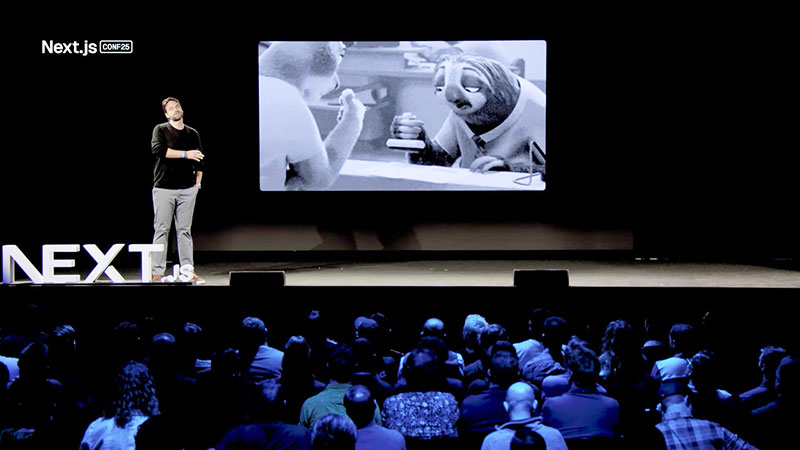
“This was a top to bottom Blackmagic workflow. It started with the three URSA Broadcast G2 cameras with B4 lenses, which were switched and controlled using various ATEMs and connected via Blackmagic fiber products,” Dave O’Halloran said. “For the breakout rooms, we had a fleet of ATEM Television Studio HD8 ISO switchers and HyperDecks. The DeckLink Quad recorders were used everywhere.”
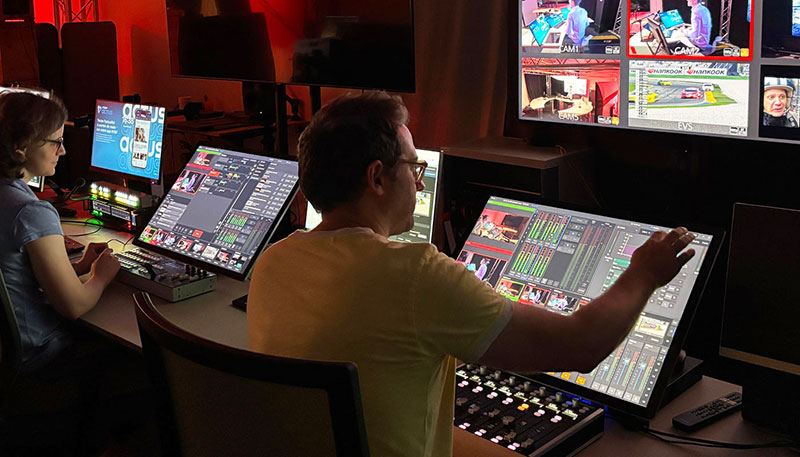
Dreamtek’s team had to cover three different stages and breakout rooms. The breakout rooms were used to vary the conference sessions by allowing delegates to separate into smaller groups for in-depth discussions with peers, ask questions and meet new people. The control room, which also included multiple stations equipped with Cloud Store 16TBs and a Cloud Store Max 24TB, was located behind the main stage and LED wall. Each breakout room included an ATEM Television Studio HD8 ISO and HyperDeck recorders.
Cloud Finish
Footage and line cuts were sent to Dreamtek’s remote locations to create social media posts. The line cuts were created as the director called the camera shots in real time from the control room instead of waiting until after the shoot to assemble the session in post from separate camera recordings.
Cloud Store was useful here because it syncs and shares media with Blackmagic Cloud, making it available to everyone working on a project.
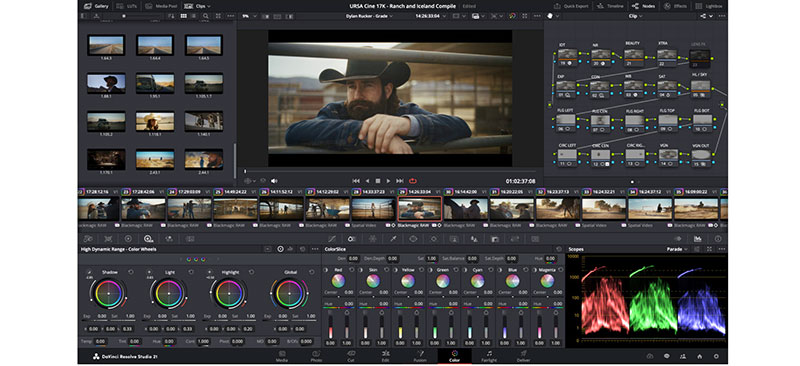
The hub of the workflow was DaVinci Resolve Studio and a portable 6 RU rack holding multiple Cloud Store Max 24TB network storage units. Working between the Cloud Store Max 24TB and Cloud Store 16TBs, Dreamtek was able to quickly store and manage footage and create a post workflow without logjams.
When Size Matters
Alessandro Altman talked about the importance of the efficiency in a small design that Blackmagic Design products brought to the project. “We were really crammed in there, which is something we knew going in, making compactness essential to the job,” he said.
“On top of that, the speed to complete post and move data around was a huge consideration. At the show, the day started with a breakfast session and a keynote that we had to trim down, and then a constant stream of footage from all over that we had to collect, record and package up to send to the remote locations.”
Alessandro also discussed the importance of being able to stream footage to post production staff throughout the conference. “This requirement at corporate events is growing. We are seeing more and more people going to physical events. It’s important to give the people attending something more than they could get from a live stream, but at the same time, take what is happening and bring it to a wider audience in different ways and not in real time.
“The execution behind the Cloud Store rackmount units and DaVinci Resolve has been a true advantage for us, enabling a post production turnaround that was previously unheard of with other hardware and workflows.” www.blackmagicdesign.com