
A colourist of 20 years, Vicki Matich sees many trends influencing looks in film and TV. Today, she says, filmmakers favour subdued, restrained colour grading over bold, overtly stylised looks
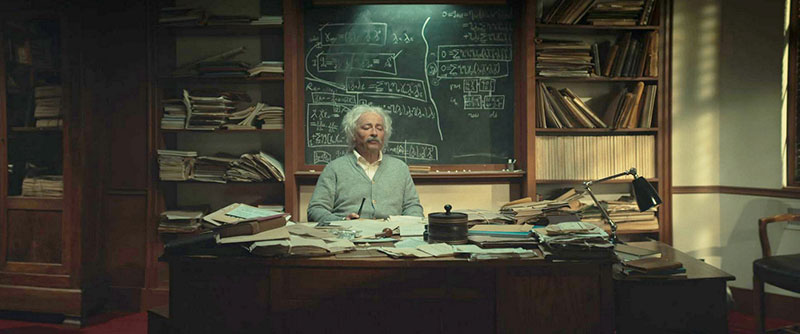
Einstein and the Bomb
After spending the last 20 years colour grading films and TV series, colourist Vicki Matich has seen many trends come and go that have influenced the look of video productions. Today, she sees filmmakers and producers favouring subdued, restrained colour grading in preference to bold, overtly stylised looks.
The change reflects two styles of storytelling. One is naturalistic, firmly grounded in the action and production design captured on set, while the other begins with that same environment but delivers it back to us through the eyes of the filmmakers.
A subtler, natural approach calls for a colourist with a comprehensive understanding of colour itself and its effect on audiences, and a willingness to collaborate fully with a production, early on in the process. Trends and looks notwithstanding, colourists always need to work in ways that help the filmmaker maintain control and deliver the story.
Vicki’s most recent projects include the films Steve and Einstein and the Bomb (Netflix), TV series Just Act Normal (BBC) and The Marlow Murder Club (U&Drama), and documentary film Super/Man: The Christopher Reeve Story for Warner Bros, a BAFTA winner. To describe the colour grading looks she now sees coming out of studios and has created in her own work, Vicki mentioned intimacy and authenticity. But her process as she begins all of her projects is deliberate and in-depth.
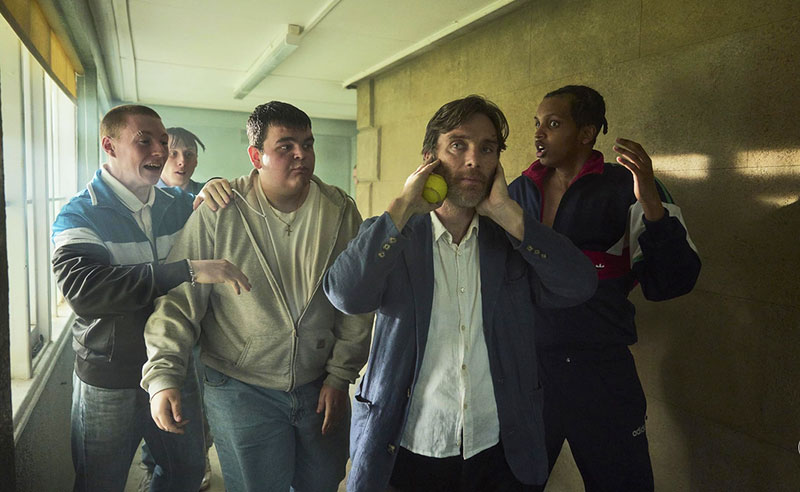
Steve
Starting with What’s Real
“I always start with what I have there in the frame,” she said. “That is what I have to work with. Sometimes, no matter how hard you try, you can’t push a look if it doesn’t work with the set design.
“Luckily, for the most part I am brought on board in pre-production where I start to develop a look with the DOP and director. Careful planning at this stage makes sure that, by the time we start on post-production, there are no surprises and all creative decisions have already been geared toward this moment. The final look should already feel natural to the story.”
Collecting and studying background material includes taking time to read the script, look at raw footage and understand what the characters are like. “I will often get to see the original pitch deck and get an in-depth look at the creative vision for the project. It will include many images, which could be paintings, photography or film stills, and those will be my first references of how the project should look. Reading the script helps me to understand how the storyline plays out thematically.”
Colour Collaboration

Just Act Normal
Input from people is critical. Vicki feels she could not do her job without working alongside the main creatives. “It’s a very collaborative process,” she said. “I have to make sure to interpret the production’s vision in the same way and create a look that supports the narrative of the film. I always look for what their inspirations have been – this is a good clue as to what kind of style they are aspiring to.”
On the production side, being involved in projects even before the shoot gives Vicki a chance to find out which cameras, lenses and codecs the crew will be using, see how they have been tested and join discussions about which is best suited. Then they can custom design a workflow for the project and know exactly what to expect.
On Going Extreme
Vicki mentioned certain points in a production when it can be useful to push into something more extreme as a storytelling device – without causing distraction. She said, “Often, moments like flash backs, a denouement, memories or perhaps a heightened emotion will benefit from extreme treatment.”
However, on the idea of distraction, she commented, “I think that, even if you have a heavily stylised look across an entire a project – think of the Handmaid’s Tale or Ozark – the trick is ensure it is consistent. Viewers might notice it at first, but as they move with the story it becomes normal and associated to its ‘world’. Audiences shouldn’t ever be taken out of a story by a grade – the style should always feel part of that world.”
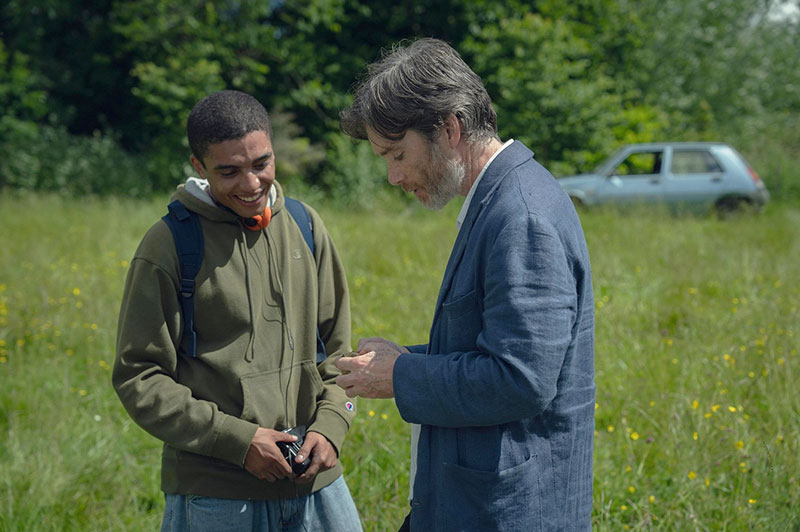
Steve
Tools of the Trade
Another part of a colourist’s working life that changes continuously is grading software. In the course of her 20 years as a colourist, Vicki considers that her software tools have improved immeasurably. She said, “Today’s software has definitely resulted in a better work/life balance! The kit is faster, more sophisticated and it now encroaches on other areas of post such as editing, online, VFX and so on. The flip side is that once clients know what it can do now, they want to get everything done in the grading suite. It can balloon budgets.
“I use a Baselight system, and always like to work with its look development tools. Grain, halation, sophisticated tracking, denoise and beauty are also my most used tools. They give me confidence in the knowledge that I can improve the production value of any project."
Vicki is currently working as a colourist at Residence Pictures in London. Vicki Matich