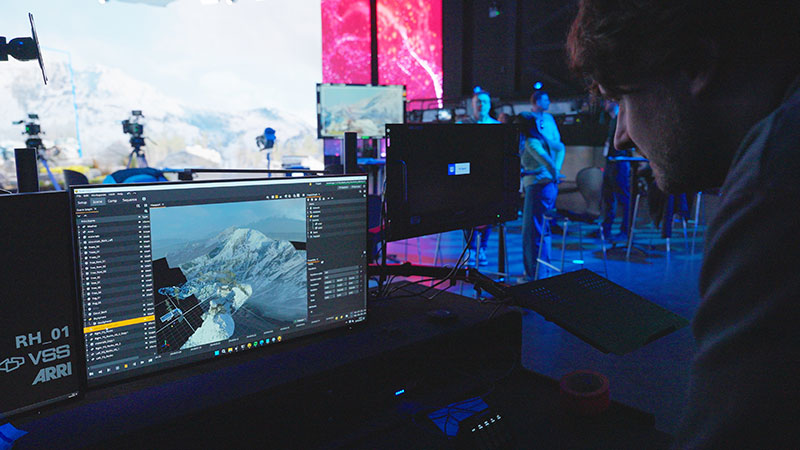

Maxon reviewed a year of motion graphics, modelling and pipeline updates delivered for motion artists, animators and VFX artists, and gave IBC visitors a look at what's coming next.
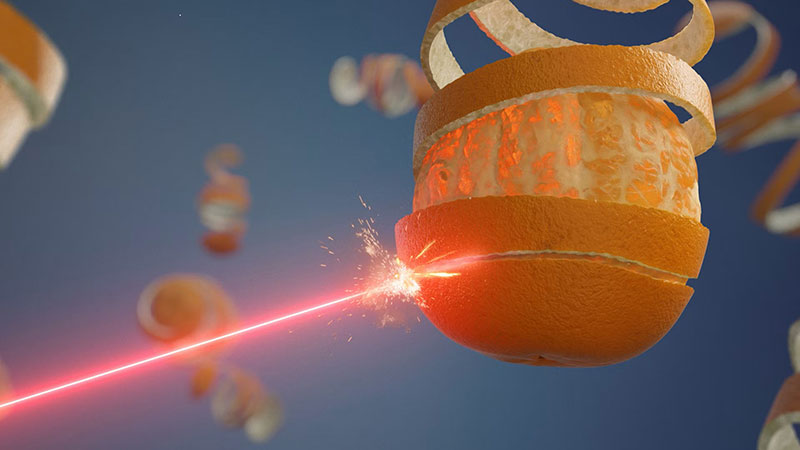
Cinema 4D UV editor
Throughout the year, Maxon continuously ships new capabilities, performance improvements and workflow upgrades across its 2D and 3D design, motion graphics, VFX and visualisation software instead of having users wait for major periodic releases to receive updates. Then in September, when the IBC Conference and Exhibition comes to Amsterdam, users of Cinema 4D, ZBrush, Redshift, Red Giant and Autograph have the chance to see and explore all new features at once in one place, and get a first look at what's to come in the next 12 months.
IBC2026 was no different. Maxon showed recent updates ranging from's modernised UV and MoGraph workflows in Cinema 4D, expanded ZBrush pipelines, performance advances achieved for Redshift, and Autograph's rapidly growing 2D/3D motion graphics environment.
Cinema 4D – Modelling and Production
During 2026 since the last IBC, Cinema 4D's developments have expanded the software in terms of creative capabilities and day-to-day workflow, covering simulation and modelling to UVs and production tools.
Cinema 4D's UV Editor was redesigned with modern, professional capabilities for game, VFX and product visualisation artists built straight into the application, aiming to avoid the need to revert to 3rd party tools. Supported functionality includes seams editing, smart unwrapping, zero overlap packing, texel density and UDIM, so that existing projects open directly in the application without migration required, for an uninterrupted workflow.
New Advanced Distribution options, including Edge, Rivet and UV Projection modes, for the MoGraph cloner give artists more responsive control over the placement and animation of objects, without complex workarounds. Achieving this type of work precisely enough has been tedious or even impossible before now. Distributing clones on edges or along the outline of polygons, for example, can now be done with various creative possibilities, but without complex rigging. Clones can also be placed and animated on the surface of objects based on their UVs.
With Fabric Brush, artists can use Cinema 4D's simulation system to shape soft materials directly in the viewport, creating folds, draping and deformation without complex rigs. Artists brush their geometry into position and then allow simulation to fill in realistic detail, creating an effective way to place curtains, adjust clothing folds or shape packaging.
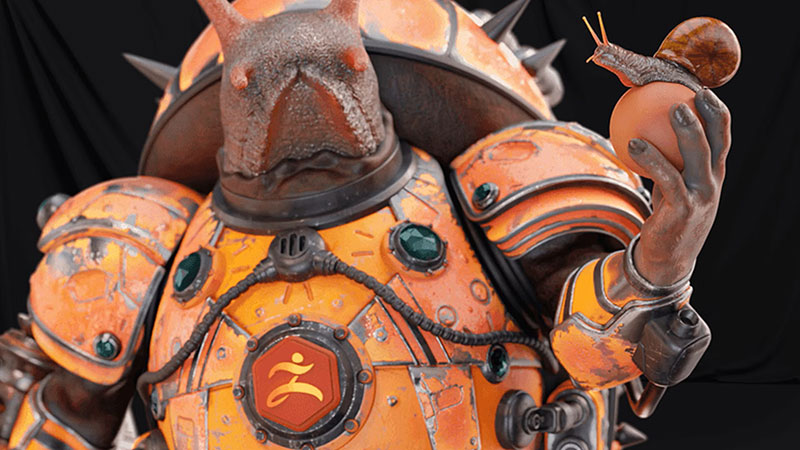
ZBrush sculpting from desktop to iPad
ZBrush – Smoother Sculpting
ZBrush continues to refine the way it extends sculpting workflows across desktop and onto iPad, aiming to give artists more flexibility in how and where they work. Users can maintain their own shortcuts using new custom hotkeys, transition between iPad and desktop while sculpting with identical controls, as well as load and save, share with and import work into ZBrush desktop. In terms of hardware, ZBrush can be accessed even on smaller, portable devices due to new native Windows on Arm.
Other changes reduce friction across the production pipeline. Direct Substance Painter integration transfers ZBrush sculpts to Substance Painter in a single click with the Substance Bridge, where artists can paint, texture and set up materials without waiting. GoZ integration allows users to send models from ZBrush directly to Maya 2026 and 3ds Max 2026 with topology, textures and materials preserved.
ZModeler is also added, a new brush containing a set of polygonal modelling functions that generates a wide variety of shapes. Useful for speeding up everyday work, ZModeler is made for extremely low resolution modelling, and will give the control to build almost any base mesh or object with as few polygons as possible.
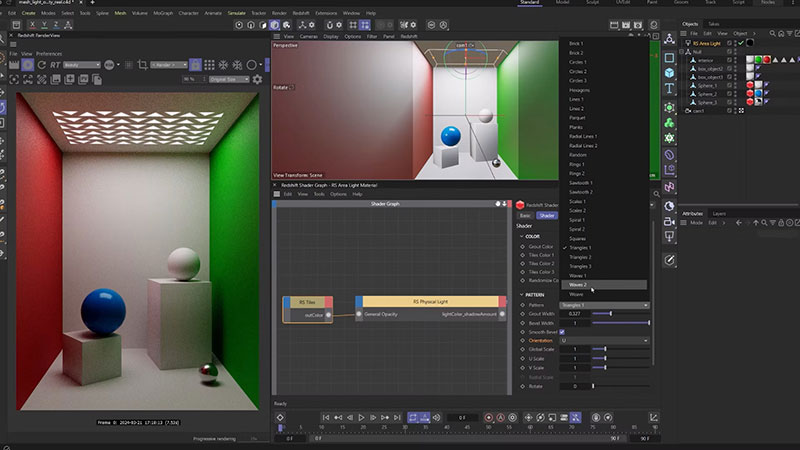
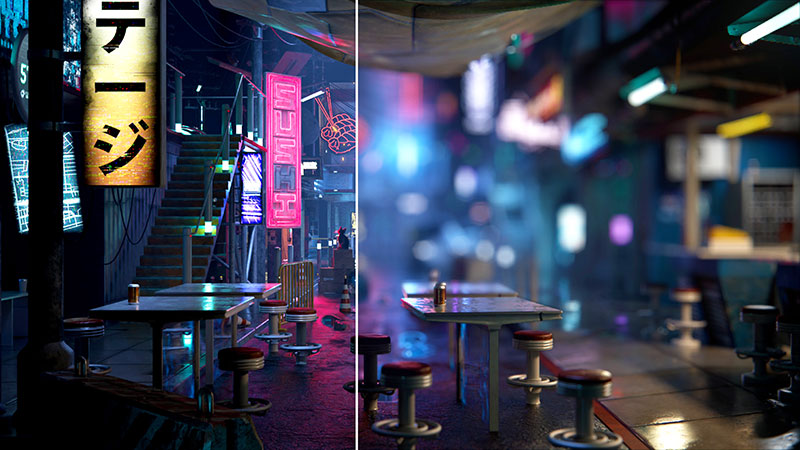
Redshift lighting
Redshift – Performance and Interactivity
Redshift improvements have been focussed on the speed and responsiveness of the rendering experience, helping artists visualise changes faster such as responding more quickly as artists adjust lights and materials. Artists can also make the most of the devices they currently own. For example, a new memory architecture improves efficiency across a wider range of hardware.
When working with Cinema 4D, better integrated material workflows reduce steps and prevent distracting artists from their work.
Autograph 2D/3D Motion Graphics
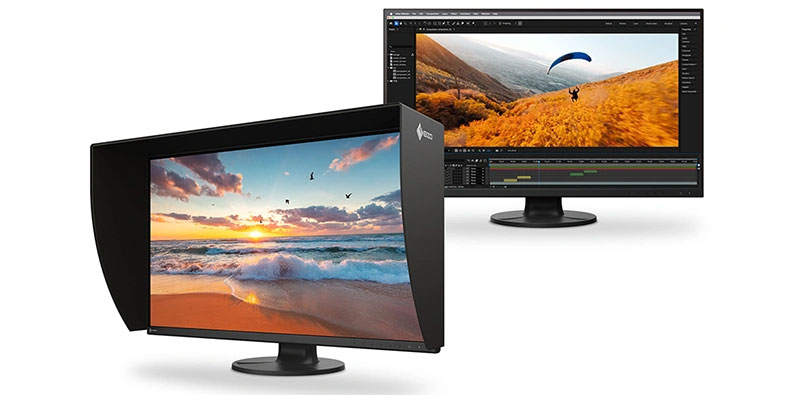
Since Autograph was re-released earlier in 2026, Maxon has continued to expand its functionality as free 2D/3D motion graphics and compositing software. Developments generally focus on stronger performance, creative workflows and deeper integration with other Maxon applications.
For instance, Autograph now gives native access to Maxon’s Red Giant effects, and also supports the OpenFX standard, allowing wide use of external effects through the integrated Maxon Studio plugin page. Stronger typography tools now include vertical text and Chinese-Japanese-Korean (CJK) support, expanding multilingual motion design and text animation workflows.
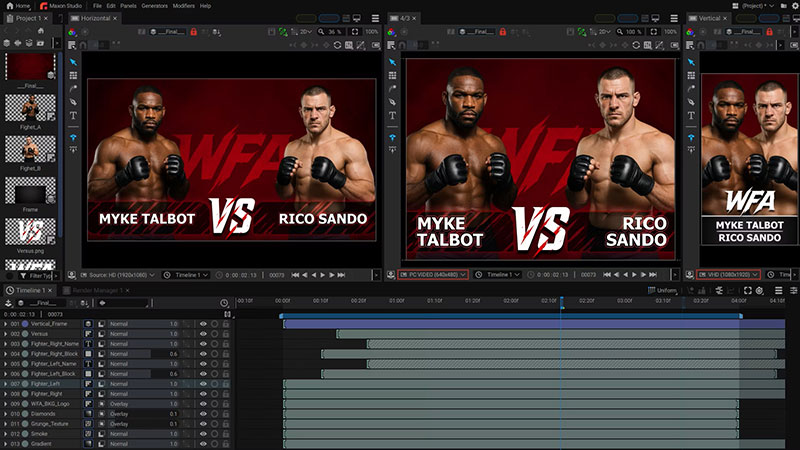
Autograph responsive design
A USD-powered 3D workspace handles extruded text and shapes, textures and multi-pass compositing inside one environment.
Maxon Looks Ahead
Regarding the previews at IBC looking ahead to the coming year for the above software, Maxon showed new capabilities for Cinema 4D that continue to add options for how artists build, populate and simulate complex 3D environments. Redshift will gain new creative capabilities including procedural fur and more cinematic colour workflows, as well as further performance and interactivity improvements.
ZBrush looks set to become a more complete end-to-end sculpting workflow across desktop and iPad, with updates that minimise switching between apps, and the next stage of Autograph's evolution will feature improvements to performance and stability, and deeper integration with Maxon tools. www.maxon.net