V-Ray 7’s Update 4 supports real-time rendering in the DCC viewport, preserves scenes and assets throughout production and closely integrates virtual production for more interactivity.
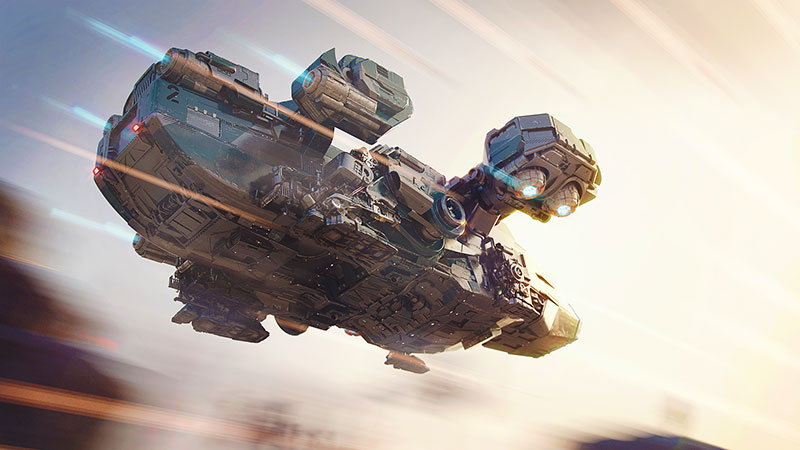
Chaos V-Ray 7, update 4, is released and includes the ability to work with the same V-Ray scene from early look development stages and real-time exploration through virtual production and final rendering. It means artists can avoid asset conversions and tool switching, which often slow down media and entertainment pipelines. This update makes path-traced feedback available directly inside supported digital content creation applications.
The release also introduces Gaussian Splat relighting, useful as a simple way to blend scanned, real-world environments into 3D scenes. Other changes are the expansion of Chaos Arena's set of real-time tools for virtual production, and faster CPU and GPU rendering. Hardware and platform support have also been increased, to now include AMD GPU rendering and V-Ray for Blender on Linux.
Consistent Assets
Known for its physically accurate lighting and rendering tools for developing shots and producing final images, now with update 4, V-Ray 7 connects more of that work inside the artist's existing application, allowing the same scene and assets to move through production with fewer conversions and less rebuilding.
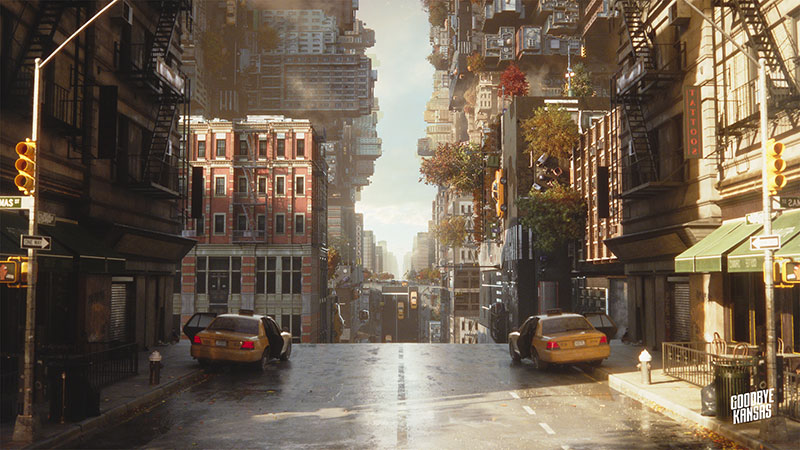
"Artists lose time when a scene has to be converted or rebuilt when it moves between tools," said Allan Poore, Chief Product Officer at Chaos. "V-Ray 7, update 4, keeps the same asset moving from early exploration to on-set production and final rendering. That means faster feedback, fewer technical interruptions, and more time to focus on the shot."
Exploration and Assembly in the Viewport
Similarly, artists can now use Chaos Vantage to explore and assemble V-Ray scenes in real time inside supported DCC viewports, without exporting assets to a separate game engine. This functionality is useful for scene exploration, visualisations and previz with real-time ray tracing.
3ds Max integration was introduced earlier this year, and now the workflow is available for Houdini through a Vantage Hydra Delegate and in Maya with an enhanced Maya Live Link. Support for Blender is to follow soon via Live Link. The Live-Link feature makes it possible to instantly see changes made in a compatible DCC software without having to export and import .vrscenes in Vantage. Animations can also be sent directly to V-Ray for rendering.
Now, Chaos is also developing an OpenUSD Hydra Delegate to bring Vantage's real-time and V-Ray's offline rendering into other host applications, including Nuke and Katana.
Gaussian Splat Relighting
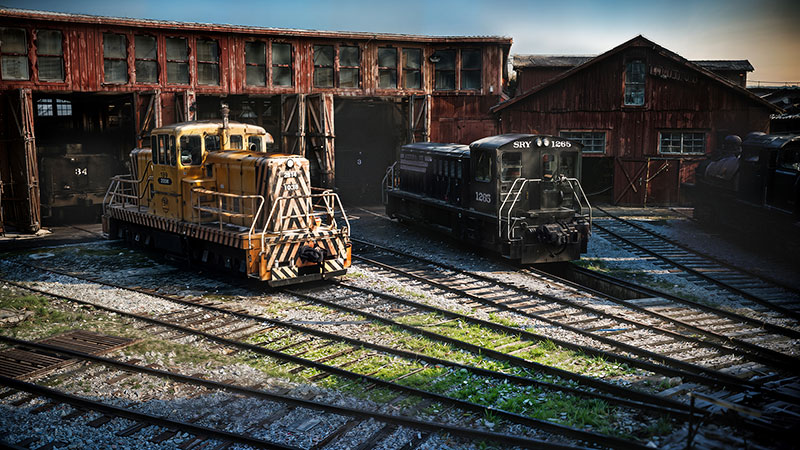
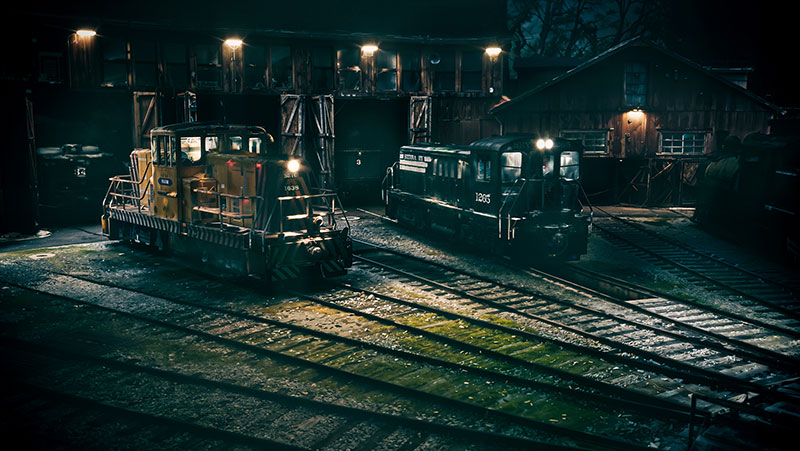
Scanned environments usually capture lighting as part of the original image, making them difficult to match to a 3D scene. A new Gaussian Splat relighting feature allows artists to adjust the lighting of captured environments in Houdini, Maya, 3Ds Max and Vantage, so they can be used from previz through final delivery, without recreating the location or negotiating a dedicated workaround.
"Gaussian Splats have opened up incredible creative possibilities, but lighting has always been the hard part," said Vlado Koylazov, Co-Founder and Head of Innovation at Chaos. "Now artists can bring a real, scanned environment into their scene and light it exactly the way the shot needs, instead of being stuck with what the scan gave them."
Real-time Control in Virtual Productions
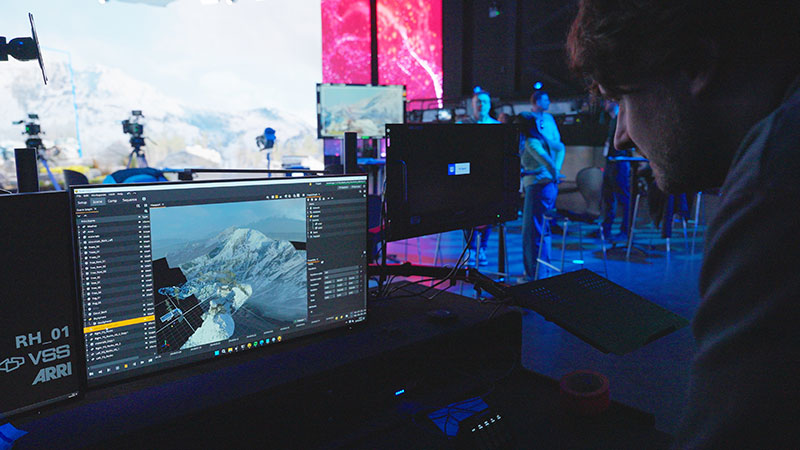
The same V-Ray scene can also move into Chaos Arena for LED wall shoots, giving crews more control over materials, focus and colour while cameras are rolling. Chaos Arena is real-time ray-tracing software for in-camera visual effects on a virtual production stage. It is a fast way to move 3D imagery from a team’s pipeline to LED walls without pre-processing, preserving assets from pre-production to post.
It is now possible to edit materials in real time. This means you can adjust shaders on the LED wall without interrupting the shoot. You can also alter depth of field in real time to match focus between physical and virtual cameras, and adjust specific areas of the digital background to match physical props and set pieces. New lens encoder support allows focal length and focus changes to be carried from the physical lens into the virtual camera.
CPU/GPU Performance Improvements
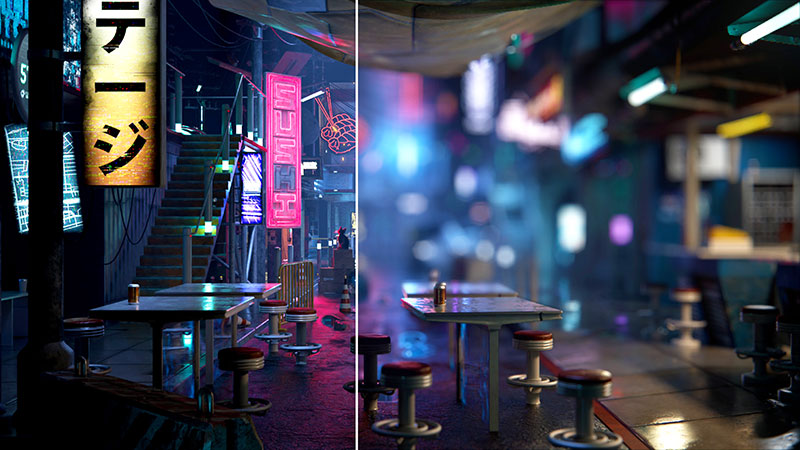
Performance updates have been achieved for both CPU and GPU processing. GPU interactive previews can now begin up to twice as fast, while CPU rendering is up to 13 percent faster on supported configurations. Out-of-frustum displacement reduces memory use for geometry of complex surfaces outside the camera view, and Distributed Rendering 2 removes the earlier limits on machine-counts for larger jobs. Light Cache Denoising now produces cleaner, faster interactive previews
Artistic Control and Quicker Workflows
V-Ray 7, update 4 adds new tools and workflows designed to give users more artistic control and help reduce the time it takes to reach the desired look. V-Ray Parallax Texture, for instance, adds depth to distant buildings using textures instead of full 3D geometry, reducing modelling work and scene weight.

Quick caustics can be used to create light refraction patterns without the setup required by the traditional photon-based workflow. With V-Ray Displacement Material, users can build and combine displacement effects in a material that can move between various V-Ray integrations.
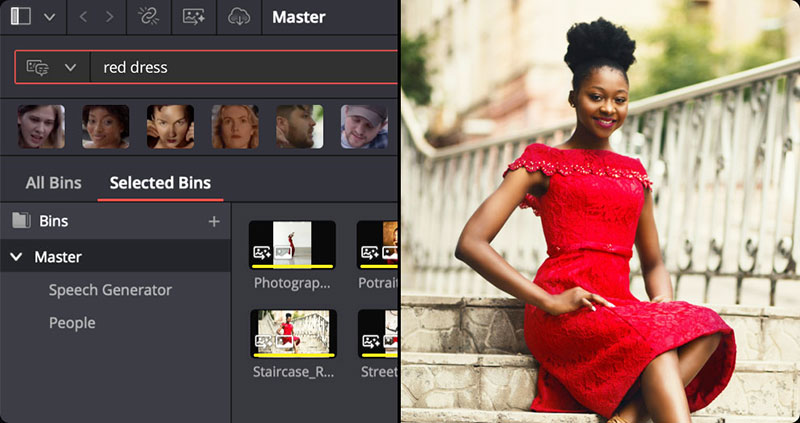
Using new AI tools in V-Ray for Maya, Chaos Vantage and V-Ray for Blender (commercial version), artists can speed up early concept exploration. For example, the AI Material Generator produces PBR materials from photographs, and low-resolution renders can be upscaled into images ready for presentation with the AI Upscaler.
V-Ray 7, update 4 is available now. For full pricing information, click here. The free V-Ray for Blender Community Edition remains available for Windows and macOS via the product page, with a Linux build now also available for download. www.chaos.com/vray