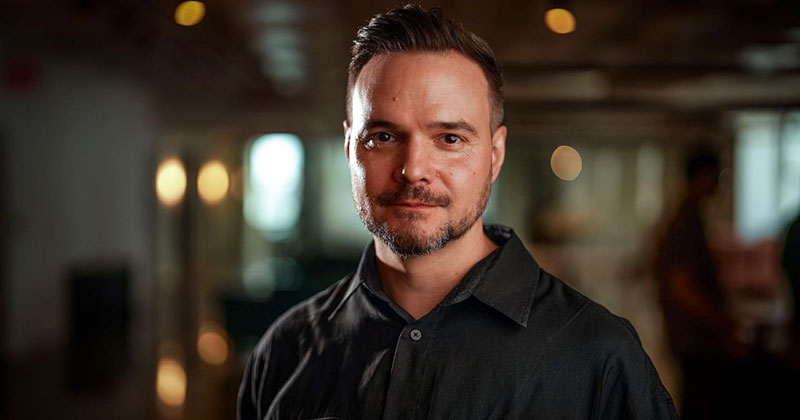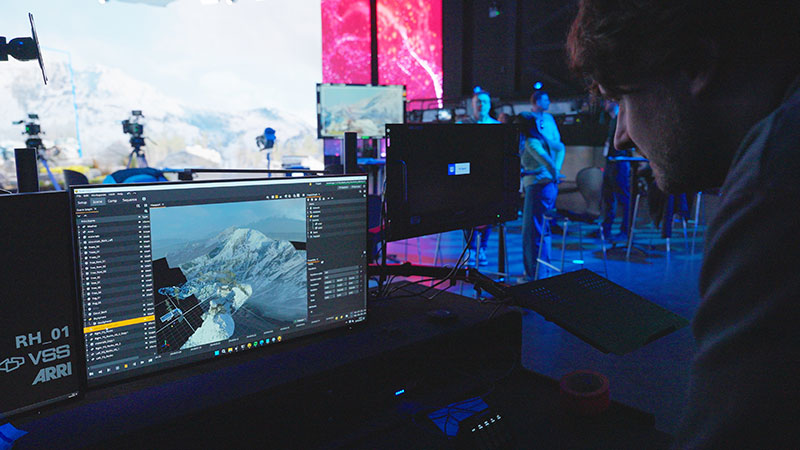

GenAI Generalist Sami Ling at Dimension Studio shares interesting ideas on the role of AI in filmmaking, particularly in virtual production, reflecting her experience gained at the studio.
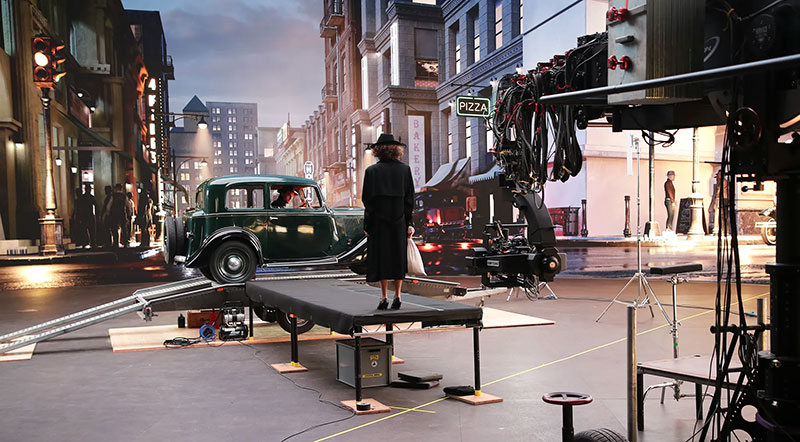
Sami Ling, a GenAI Generalist at virtual production specialist Dimension Studio in London, has some interesting ideas and comments on the role of AI in filmmaking and particularly in virtual production, reflecting the experience she has gained at the studio.
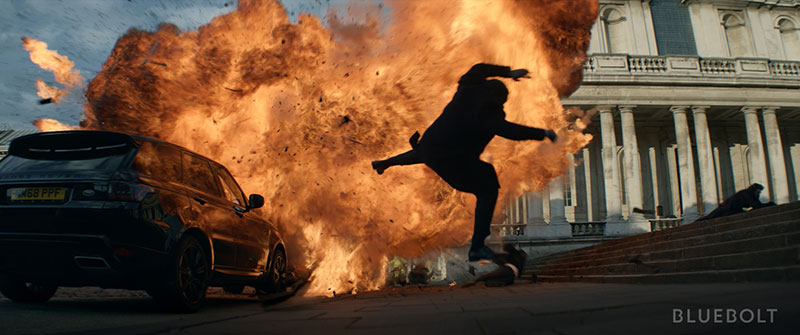
Dimension’s crew of virtual production supervisors, location teams, data wranglers and Unreal Engine TDs help productions make key decisions about their projects – ahead of moving into the LED volume.
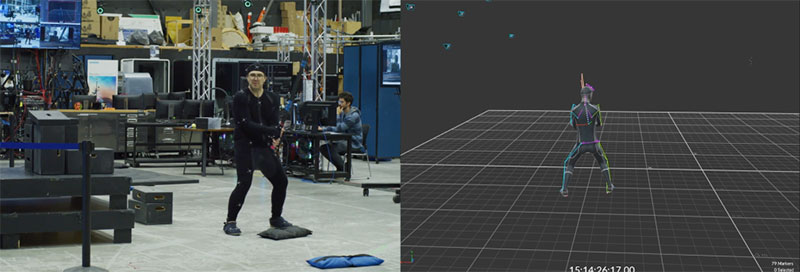
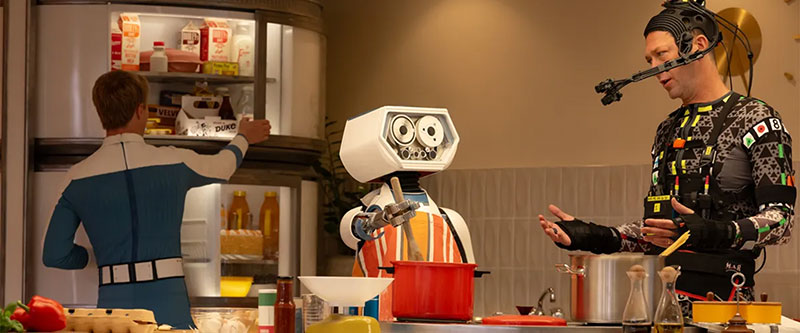
They help plan camera angles, lighting, set design and aesthetics and, to create objects, people and environments that blend invisibly into projects, use techniques ranging from LIDAR and photogrammetry, to volumetric capture and virtual humans. The team handles large scale facial and full-body performance capture, and in-camera VFX.
Sami remarked that AI is certainly changing filmmaking at every level. But while many speculate that the changes will result in stripping back creativity, she notes that some experts argue that AI will actually open up new creative avenues – so long as teams are upskilled in the right way.
Sami said, “For virtual production, this situation creates both an opportunity and challenge,” she said. “The readiness gap across the industry – which ranges from those without proper training, to purists who don’t want to use AI at all – needs closing, but as with any new technology, the adoption of AI should be carefully considered through proper operational roll out.
“The change that AI can bring is already reshaping how teams create and collaborate. It has become increasingly clear that AI cannot be ignored. In other words, those who don’t prioritise upskilling, or fail to work to close the skills gap presented by AI, will be left behind.”
Accessibility and Levelling the Playing Field
AI tools have quickly become part of the everyday creative toolkit. Large language models, image generators or image to video platforms are everywhere and are becoming easier to use day by day.
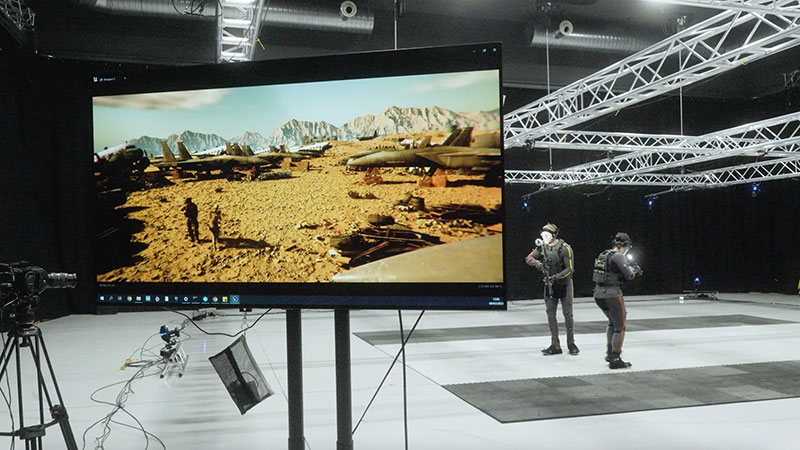
She also considers that, for many creatives, the accessibility that AI can open up to generating visual elements is levelling the playing field. “The speed and operational efficiency once confined to large studios with huge teams can now be achieved by independent artists and small creative teams,” she said. “This change across the industry opens doors for smaller players to take on bigger, more complex projects that they wouldn’t have had the resources for without the support of AI tools.
“So, with more of a reason to embrace the new technologies, we’re seeing smaller teams move faster in their adoption of AI. It’s clear we’ll see those organisations laying out the blueprints for AI deployment and, ultimately, enabling a more diverse and competitive creative landscape.”
Trial and Error Approach
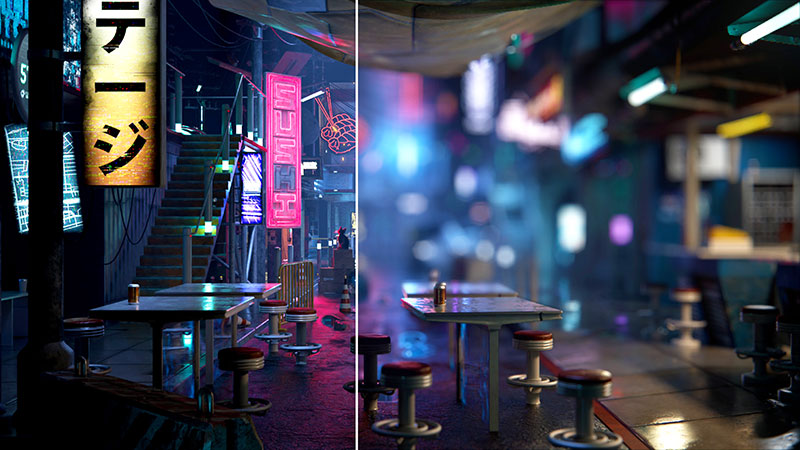
Teams that take the time to understand the strengths and weaknesses of new AI tools will be better positioned to push them to their limits and find out what they can really do. Whether they are generating concept art, visualising lighting setups, or creating previsualisation sequences, the key is experimentation and learning what works for your team’s creative process.
This doesn’t mean stripping the film and TV industry of creativity and original thought. “On the contrary, AI’s ability to handle repetitive, time-consuming tasks means artists can devote more energy to creative decision-making and ideation, testing different visions with ease until they land on the best one,” said Sami.
“The development of AI tools obviously isn’t complete. They aren’t ready to produce ‘final pixel’ work without human guidance. But they don’t need to – AI’s real value lies in accelerating the complex and time-consuming administrative processes that lead to the final output.”
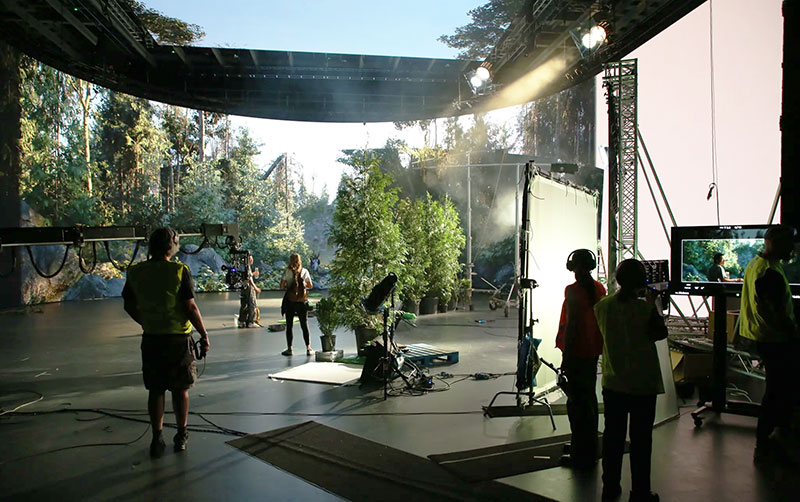
The result is a production workflow that’s both leaner and more responsive to creative changes.
Accountability in AI Adoption
Sami believes that creative teams looking to upskill in AI must approach the process with clear internal policies, approved tools and guidance on how to use it in commercial cases, and should first outline best practices.
She said, “It’s not enough to simply say you’re using it. When it comes to accountability, clients should be able to see and refer to a full rundown of how, where, when and why these tools were used.
“In early production phases, AI tools can generate and iterate creative concepts quickly, allowing directors and producers to test styles and visualise scenes long before a frame is rendered. This can save time in the long run, but it may not always.
“Therefore, it’s important to have a method of tracking and reporting to ensure your team isn’t just using AI for the sake of it, and that it’s contributing to creating a better workflow, and leading to better outcomes. This faster creative cycle naturally leads to better focus on what matters most – the storytelling and artistry that define the final product.”
Next Logical Step
Whether in virtual production, animation, or post-production, the integration of AI is the next logical step in the evolution of creative workflows. But according to Sami, success in this new era depends on one thing: people.
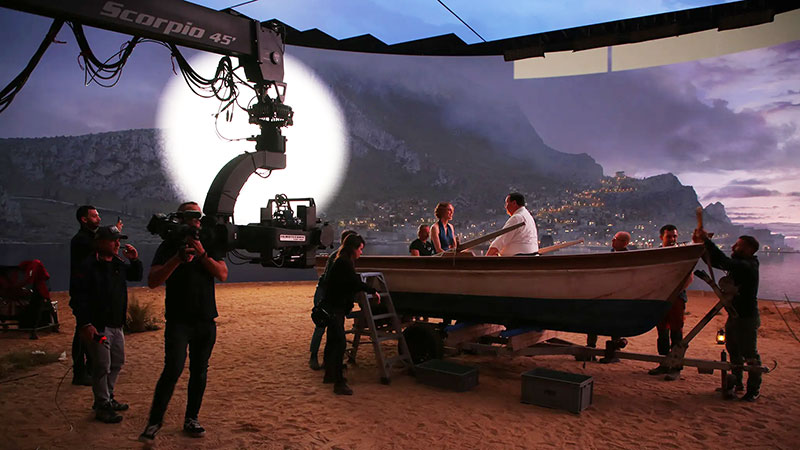
“AI can serve as a strong starting point for many creative endeavours, but it’s the trained eye of an artist that turns that starting point into something beautiful,” she said. “The more skilled teams are at guiding and improving AI-generated output, the stronger the results become. That means that investing in training your creative teams on how to best use AI tools, and establishing a process that ensures accountability when they are used, will pay off tenfold in the near future.
“Embracing AI in the right way is about giving artists the time and resources to experiment, to understand where AI adds value, and to build confidence in using it as a creative partner. The companies that do this early will be the ones opening doors to a more diverse range of voices who can now enter the field thanks to more accessible tools, and the end result will reflect that.
“AI can’t replace the instinct of a great artist or the intuition of a good storyteller. But what it can do is automate the mundane and create room for more human creativity to flourish. The AI revolution isn’t something to brace against. It’s something to build with. For studios and artists alike, the opportunity is clear – learn it, shape it and let it amplify what you already do best.” dimensionstudio.co