

The shared storage upgrade at National Film and Television School’s improves performance and expands capacity to support the school’s growing project load and evolving production training.
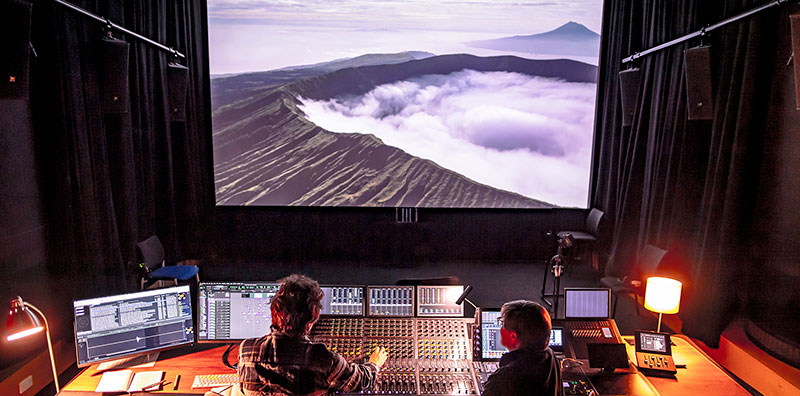
The National Film and Television School (NFTS) has completed a major refresh of its shared storage environment, expanding the school’s tiered storage, raising performance for high-end editorial work and introducing a new approach to secure review and approvals. The project was delivered in partnership with Jigsaw24 Media.
The new deployment strengthens the highly dynamic and diverse film and TV production environment at the school. The NFTS runs a continuous slate of full productions in genres ranging from fiction, entertainment and animation to documentary and commercial content. The facility continues to increase its student intake and is adding new on-campus accommodation designed to support students with accessibility needs, as part of a wider development programme backed by government and industry contributions and student fees.
Regarding its storage systems, the NFTS first standardised on EditShare five years ago. The existing platform has supported heavy production workloads from multiple departments without issue, which made continuing with EditShare a natural choice as the school expanded. The latest investment introduces a tiered architecture combining high-capacity nearline storage, a refreshed high-availability (HA) layer and a new NVMe performance tier designed for 4K, 8K and VFX-heavy workflows that demand high-bandwidth, multi-stream editorial performance.
EditShare NVMe servers have a capacity of up to three-quarters of a petabyte in a single 2U node. Combined with high-speed NVMe performance, large numbers of students can edit, render and collaborate on projects simultaneously without compromising performance.
“EditShare serves as the foundation of our production teaching at NFTS,” said Doug Shannon, Head of Systems and IT at the National Film and Television School. “The new tiered storage and NVMe layer give our students the bandwidth they need to work the way modern productions do, while the FLOW MAM system and MediaSilo help us keep projects organised, secure and accessible across multiple courses. It means we can support more concurrent projects and higher resolutions without adding unnecessary overhead for the IT team.”
“EditShare has been a core part of running the school’s day-to-day production training,” said Sean Bradley, Regional Sales Director at EditShare. “The refresh gives them faster bandwidth, more resilience and room to grow as they continue to push student projects into higher resolutions and more complex workflows.”

With MediaSilo now part of the system, students and tutors have an efficient way to collect notes, share cuts securely and maintain version control across multiple editorial teams. Any asset uploaded into the storage tiers can be organised to support workflows at each production stage, and to maintain efficiency aligned with how the students prefer to work. Most important, the staff and students have an effective means of searching for specific versions of their files.
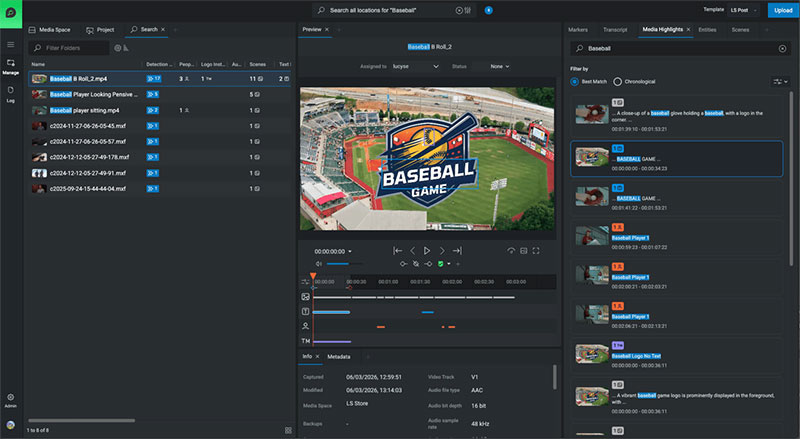
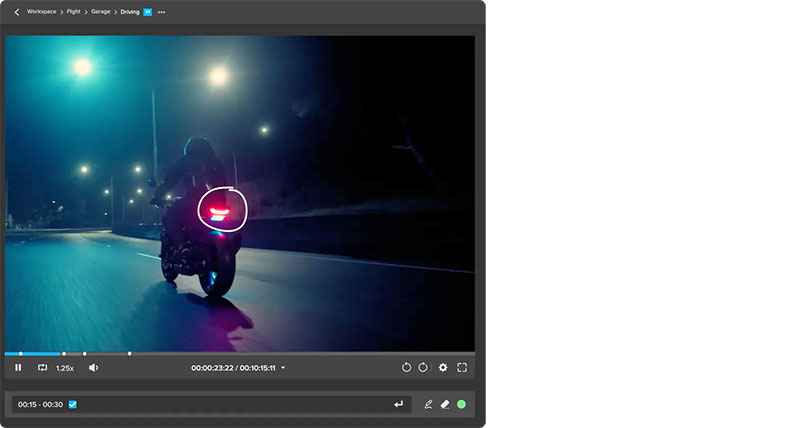
MediaSilo is especially useful for reviewing. Project versions can be reviewed side-by-side for quick approvals. Reviewers can comment directly on a frame or range of a project timeline, and add illustrations and on-screen annotations, while tagging collaborators directly in the comments. For security, assets from the FLOW media asset management (MAM) can be pushed into MediaSilo to share for review and approval, either by external stakeholders or by internal stakeholders that don’t have access to the MAM system.
The infrastructure refresh supports the school’s broader development plans, including new teaching spaces and the addition of on-site accessible accommodation. These updates are part of a long-term strategy to broaden access to the creative industries and improve support for students from a wide range of backgrounds.
Sean said, “The school’s requirements are growing year after year. Reliability and performance were key drivers for them, and the new system sets them up well for the next stage of their growth.”
editshare.com