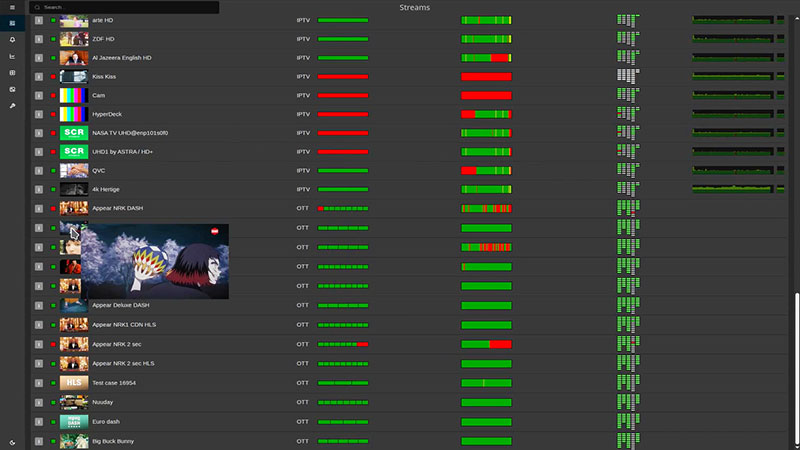


At IBC2026, TAG shows sub-2-frame latency, large scale uncompressed ST 2110 monitoring, live MXL interoperability and new A/V, colour and HDR QC tools built into its multiviewer.
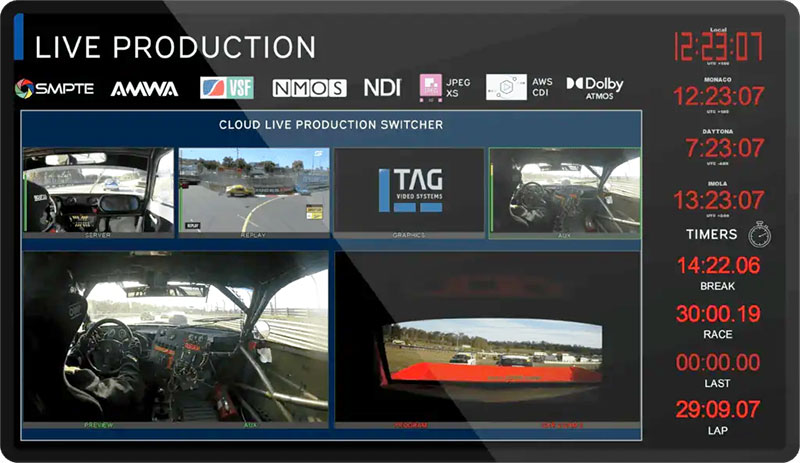
TAG Video Systems has developed new performance and interoperability features for its software-based realtime media monitoring, multiviewing and QC tools. These updates support live, uncompressed production and aim for speed and scale.
TAG has pushed latency on ST 2110 streams below two frames and extended its software to monitor 800 Gbps of aggregate bandwidth, showing that a software-only platform can now reach the performance and density that uncompressed live production demands of dedicated hardware.
Live Monitoring Latency and Performance
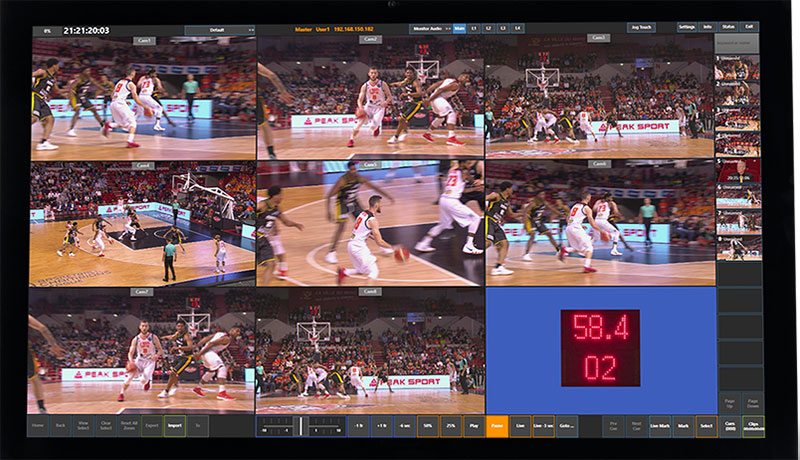
More specifically, latency on ST 2110 streams has now been lowered to under 2 frames at 50fps and 2 frames at 59.94fps (TAG MCM media processor input to MCM output), with CIR (Cyclic Intra Refresh) encoding on MCM output. That puts QC and multiviewing directly inline in the live production chain, catching problems before they reach air.
Regarding scale, support for the Mellanox ConnectX-7 network card, run as four 200 Gbps ports for an aggregate 800 Gbps, allows a single software instance monitor significantly more uncompressed ST 2110 streams on that same instance. This fact indicates that software can handle highly demanding, high-density uncompressed environments, without depending on a full range of appliances.
As well as the performance gains, TAG has continued to extend live MXL interoperability across demonstrations with various partners including AWS, Qvest, Sony and the EBU itself. The EBU’s Media eXchange Layer (MXL), part of the Dynamic Media Facility (DMF) reference architecture, enables interoperable exchange of media between professional AV production software. TAG was one of the first vendors to support MXL.
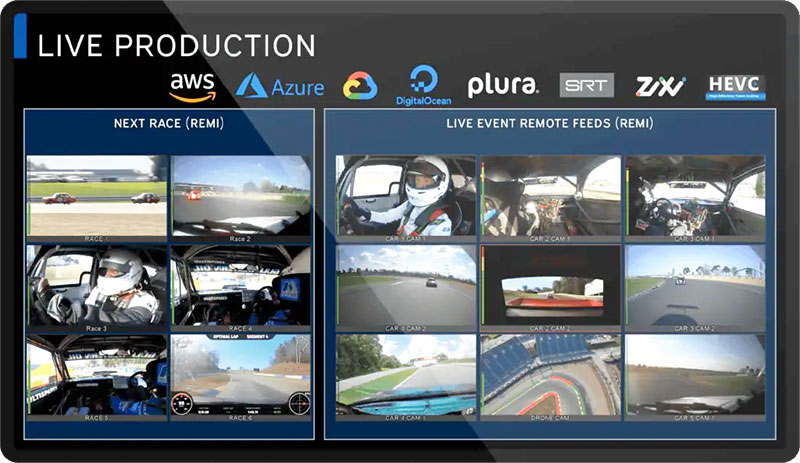
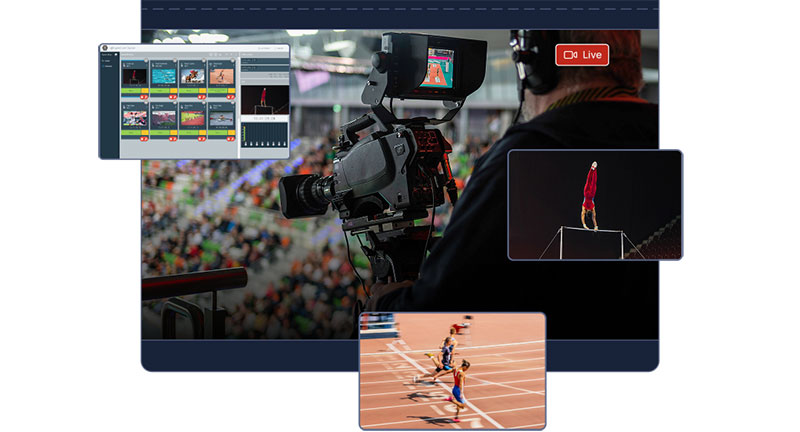
"In live sports, catching an issue later is of no relevance. If it's not caught in the frame it happened in, it's already on air. Keeping monitoring and QC under two frames is critical for the operators and engineers who use our platform to produce live content. It gives them the same split-second visibility on a 100-camera event that they'd expect on a small studio show,” said Robert Erickson, VP Sports and Live Production, TAG Video Systems.
“Scaling that to an aggregate 800 Gbps of uncompressed traffic without adding a single box means they can say yes to bigger, more complex productions without asking for more hardware.”
Audio, Colour and HDR QC Purpose-Built for Live Production
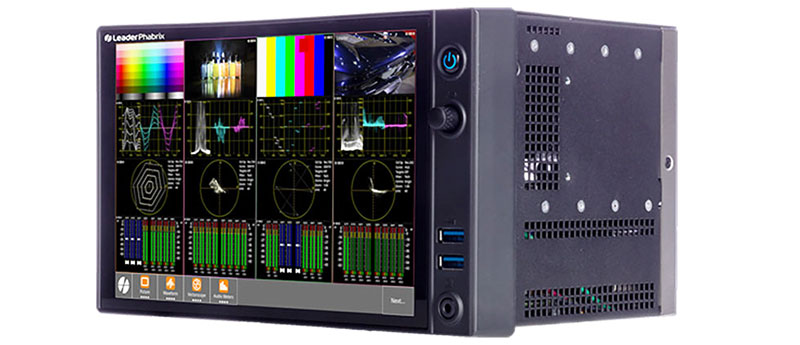
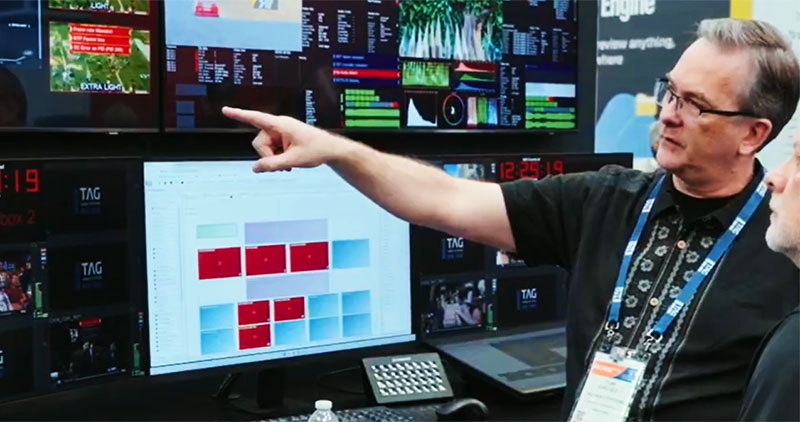
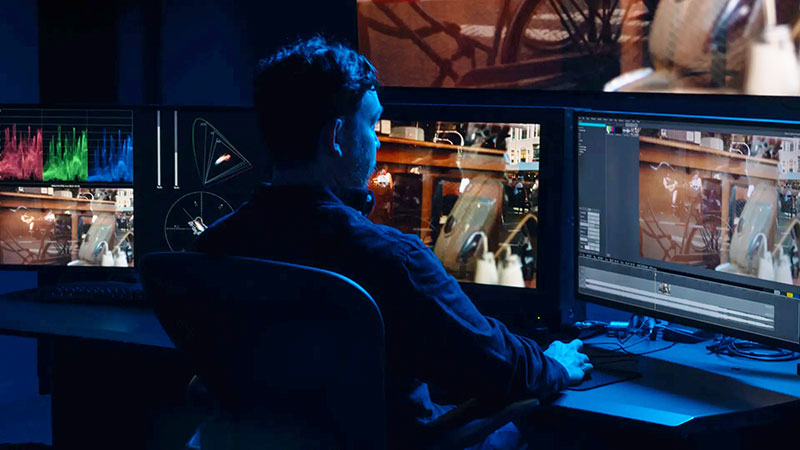
TAG is also widening the scope of the audio, video, colour and HDR QC tools operators use as their primary multiviewing and QC bench in live, uncompressed environments while watching live shows as they happen. They include phase, correlation, frequency and loudness scopes (EBU R128 / ITU-R BS.1770 compliance) that catch a dropped channel, a phase error or a loudness spike on a live feed in real time, not in a file review the next day.
QC Station's Waveform, Vectorscope, RGB/Luma Histogram and Parade tools are made for use on a daily basis to match colour and exposure across live camera sources in the same multiviewer operators use to run the show. New to this release, the addition of Dolby Vision Profile 8.1 detection, decode and monitoring in MCM means a live Dolby Vision source can be validated side by side with HDR10, HDR10+, HLG and SDR feeds in the same live mosaic. The MCS API also exposes Dolby Vision Profile 5 (ICtCp) colour formats.
TAG Video Systems will demonstrate the new innovations at IBC2026 at the RAI in Amsterdam, 11–14 September. https://tagvs.com/