

New real-time graphics, AI-driven operations and MXL interoperability expand the XVR media server into an integrated channel engine with real-time graphics and master control switching
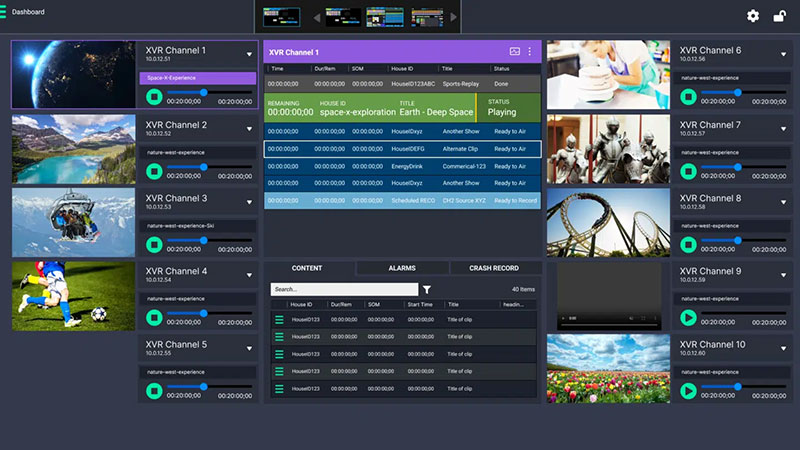
Imagine Communications’ XVR high-density media server, built for production, playout and news operations, now includes real-time graphics and master control switching, supporting a true integrated playout chain.
Media Exchange Layer (MXL) interoperability and AI-augmented playout operations are two other aspects that establish XVR as a full-featured integrated channel engine designed from the ground up for high-frequency, fast-turnaround broadcast workflows.
Integrating Channel Operations
XVR is effective in both on-premises and cloud-based deployments, and natively supports legacy and modern media and interface formats ranging from SDI to MXL. It operates as a flexible media server that integrates cleanly into modern plants through open APIs and native HTML5 interfaces, and supports high-density environments.
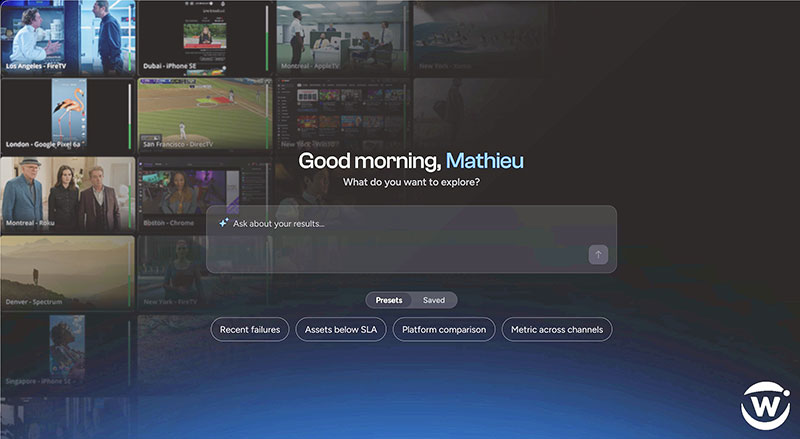
XVR is part of the Imagine Aviator ecosystem – a playout environment of applications that consolidate linear and OTT playout operations including management, orchestration, automation and scaling – XVR deployment, content and playlist workflows are available through Model Context Protocol (MCP), so that agentic AI systems can launch and monitor channels and manage content. MCP is the open-source standard for connecting AI applications to external systems.
Through MCP, AI applications can connect to data sources like local files, databases and workflows – in other words, access key information and use it to perform tasks. For instance, enterprise chatbots can connect to multiple databases across an organisation, which means users can analyse data using chat. While MCP may reduce development time and complexity when building or integrating an AI application or agent, it’s worth noting that these apps or agents can access user data and take actions on the user’s behalf.
Capabilities - Real-time Graphics, Newsroom Connectivity, MXL Compatibility
XVR capabilities run a suite of channel-origination workflows using the same core engine. Darren Gallipeau, senior product director at Imagine Communications said. “With the addition of real-time graphics, newsroom connectivity, and modern and MXL capabilities, XVR becomes a complete integrated channel engine. Whether deployed on-premises or in the cloud, it is the fastest path to launching a new channel or refreshing an existing one."
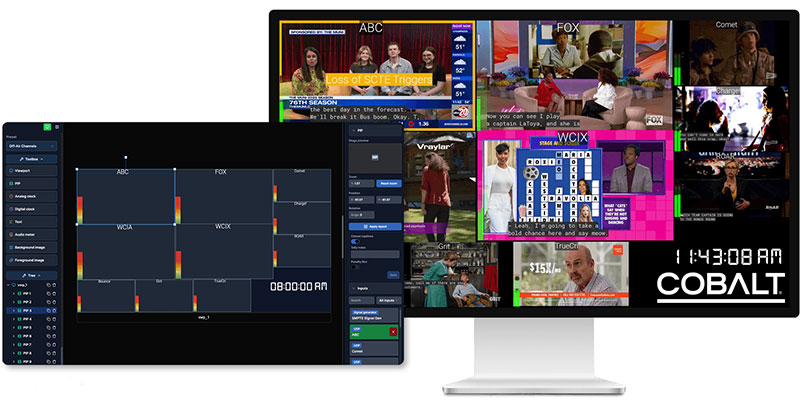
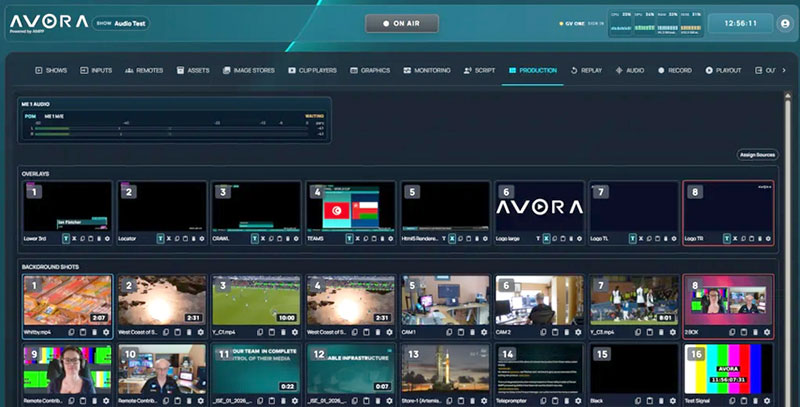
Starting from Imagine's existing dynamic rendered graphics, new XVR releases add comprehensive graphics functionality, making the platform more flexible for channel branding, lower thirds, tickers and data-driven graphics. With the native graphics engine, designers can create complex scenes driven by live external data sources, all rendered and composited in real time within the XVR channel. HTML5 graphic planes extend this capability to operations that incorporate HTML5 graphic workflows, and both approaches are available simultaneously within the XVR engine.
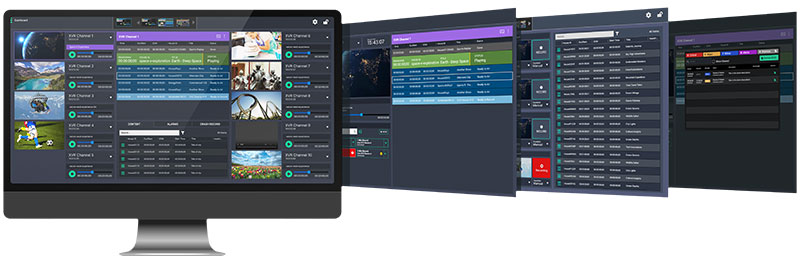
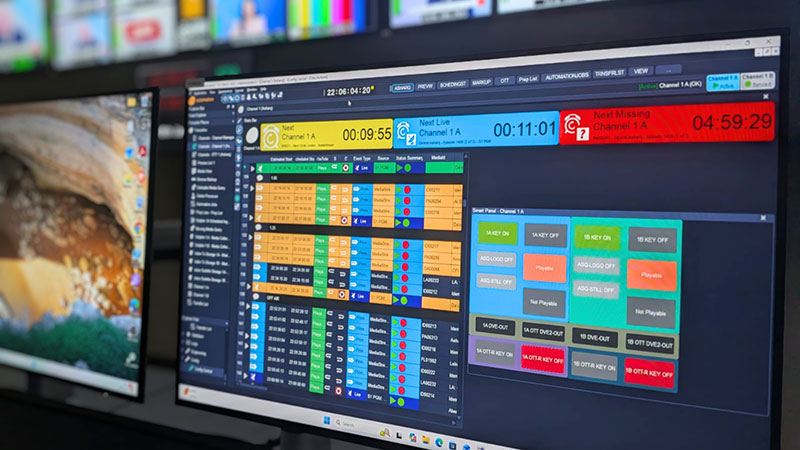
The recent XVR releases also integrate with Newsroom Computer Systems (NRCS) via standard MOS and VDCP protocols in common use, making it a natural fit for news environments. Clips can be pulled into edit while still being ingested, and finished media is available for playout as the editor signs off. Combined with the Orchestrator and Automation platforms from the Imagine Aviator system, XVR works as a tightly integrated solution for news, sports production and channel origination environments.
A new, dual-layer protection capability in XVR protects live recordings against downstream storage issues to assure ingest. If connectivity to external storage is interrupted, XVR buffers the incoming content internally and re-commences interruption-free recording upon restoration, ensuring a breaking news feed, live event or sports moment is never lost to infrastructure issues outside the playout engine.
JT-DMF MXL Interoperability
At IBC in September, Imagine and Appear showed a joint technology demonstration of the JT-DMF MXL protocol in action – connecting the Appear VX software platform for live-input contribution directly to multiple XVR integrated playout engines via the MXL protocol. This cloud-based demo illustrated how MXL enables media applications from different vendors to interoperate within a common computing environment, allowing broadcasters to rapidly build workflows in an orchestrated environment.
“Showing the JT-DMF MXL as an interface on the XVR engine in an interop with an industry partner is a critical link in the development and deployment of Dynamic Media Facilities (DMF),” said John Mailhot, senior vice president, product management, at Imagine Communications. “Imagine has been building toward this vision for more than a decade, and our Aviator ecosystem and XVR engines are built around the principles DMF is designed to standardize.”
Another Imagine demo at IBC showed how XVR integration with the Aviator orchestration ecosystem and MCP-enabled agentic functionality allows operators to use AI to simplify routine operational processes while maintaining human oversight of workflow decisions. Operators can use conversational AI tools to schedule bulk updates, real-time operational queries, and intelligent gap-fill from the content pool — working through a governed MCP service layer that enforces guardrails between the AI and playout automation. imaginecommunications.com